
From Engineering Drawing to Precision Machined Component
Manufacturing a precision component involves much more than machining raw material. The process begins with understanding the engineering drawing and continues through material selection, process planning, machining, inspection and final quality verification.
Princy Industries Pvt. Ltd., based in Jamnagar , specializes in precision engineering, CNC machining and high-quality custom industrial components for global OEM manufacturers.
Princy Industries Pvt. Ltd., based in Jamnagar , specializes in precision engineering, CNC machining and high-quality custom industrial components for global OEM manufacturers.
1. Engineering Drawing Review
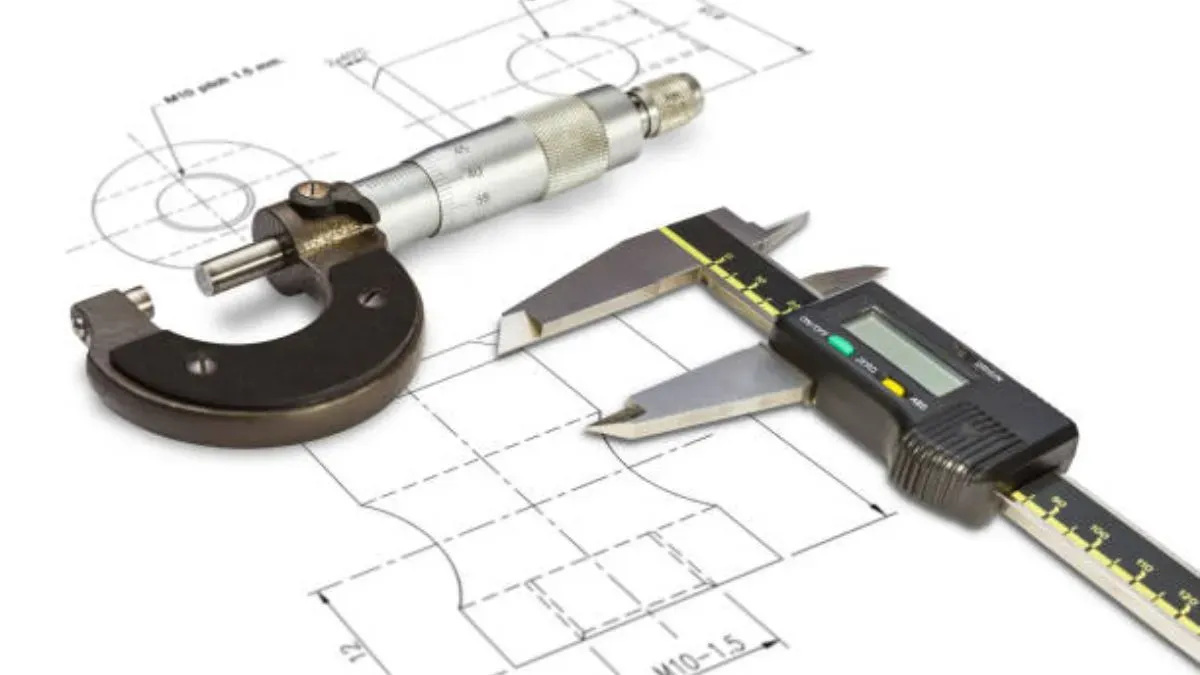
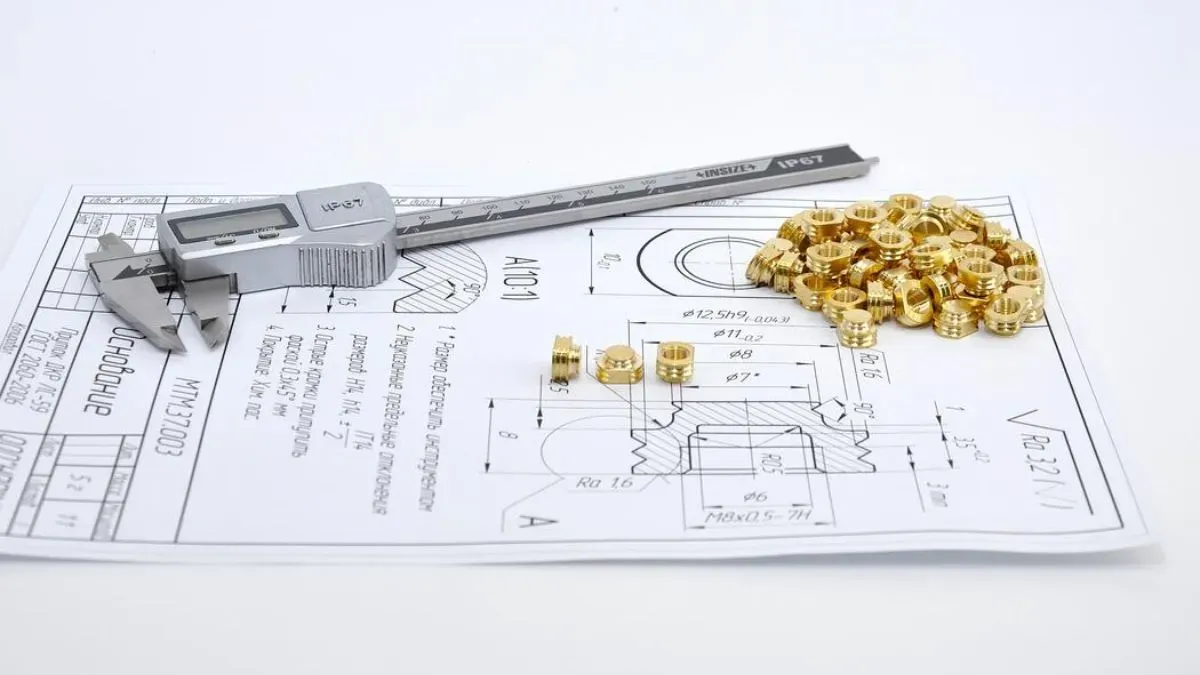
The engineering drawing provides important information such as dimensions, tolerances, material specifications, threads, surface requirements and other component features. A detailed review helps identify the manufacturing requirements before production begins.
2. Material Selection
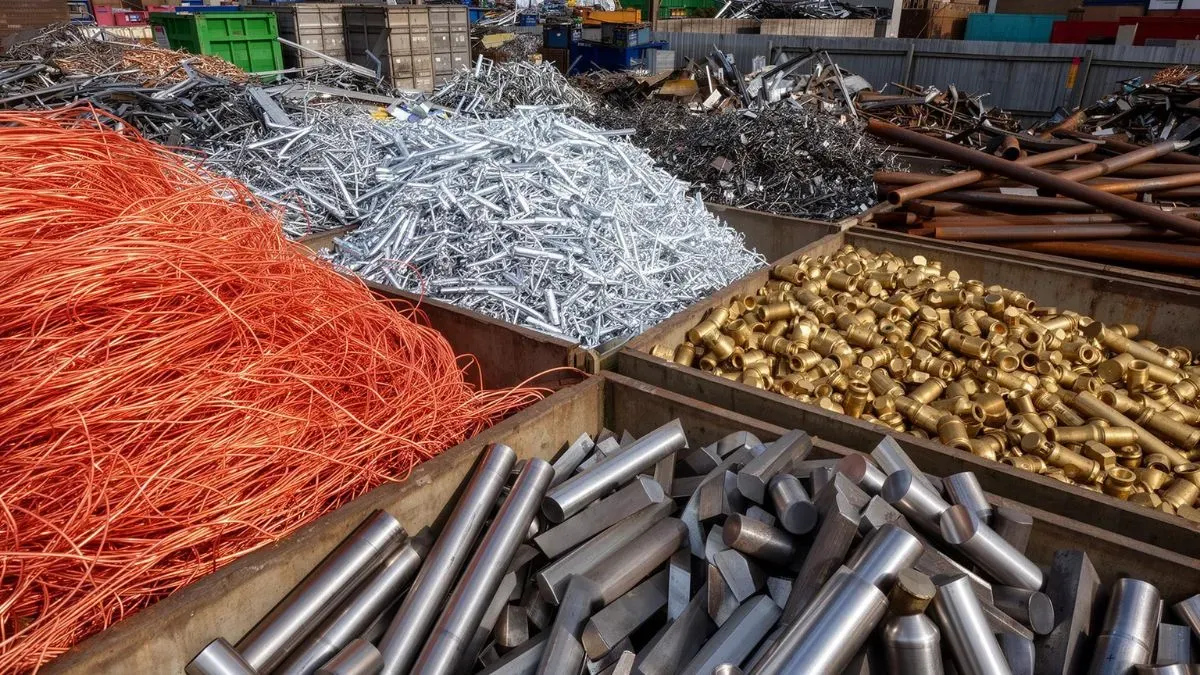
The material is selected according to the functional requirements of the component. Brass, stainless steel, aluminium and other engineering materials can offer different combinations of machinability, strength, corrosion resistance and performance.
3. Process Planning
Manufacturing engineers determine the suitable machining operations and sequence. Depending on the component, the process may include CNC turning, VMC machining, drilling, tapping, forming or other secondary operations.
4. Machining and Production
After process planning, the component is manufactured according to the approved engineering drawings and specifications. Suitable machining methods, cutting tools and controlled production parameters help achieve dimensional accuracy, consistent quality and repeatable production.
- CNC Turning for manufacturing cylindrical parts, threaded components, shafts and precision fittings.
- VMC Machining for producing complex shapes, slots, grooves, pockets and accurately machined surfaces.
- Drilling and Tapping for creating precise holes and internal threads according to component specifications.
- Tooling and Process Control to maintain dimensional consistency and repeatable production across manufacturing batches.
- Secondary Operations such as forming, deburring, threading and other required finishing processes based on component design.
5. Inspection and Quality Verification
Finished components are inspected against the approved engineering drawings and applicable quality requirements. Dimensional measurements and appropriate inspection methods help verify component accuracy, surface quality and compliance with specified requirements before final acceptance and delivery.
- Dimensional Inspection to verify component dimensions, tolerances and critical measurements.
- Thread and Feature Verification to check threaded sections, holes, grooves and other specified features.
- Surface Quality Checks to examine surface finish, visible defects, burrs and finishing requirements.
- Material and Process Verification to confirm applicable material specifications and required production checks.
- Final Quality Approval to review inspection results and verify conformity with the applicable component specifications before dispatch.
A structured drawing-to-production workflow helps manufacturers deliver precision-engineered components with consistent quality, dimensional accuracy and reliable performance.